Drain cleaning
Slow sinks, tubs, showers, laundry drains, recurring clogs, and backup concerns.
Discuss a drainYour neighborhood plumbing team
From a stubborn kitchen drain to a water heater that stopped keeping up, Matthews Plumber Service helps local homeowners move from “What now?” to a clear next step.

Start with what you see.
Around the house
Not sure which category fits? Describe the symptom when you call. You do not need to diagnose it first.
Slow sinks, tubs, showers, laundry drains, recurring clogs, and backup concerns.
Discuss a drainDripping connections, hidden moisture, damaged supply lines, and burst-pipe concerns.
Discuss a leakNo hot water, unusual sounds, tank leaks, slow recovery, and replacement questions.
Discuss hot waterRunning toilets, weak flushes, dripping faucets, shutoff valves, and fixture updates.
Discuss a fixtureSink drains, disposals, supply connections, dishwasher hookups, and cabinet leaks.
Discuss the kitchenSeveral slow drains, recurring backups, gurgling fixtures, and line inspection needs.
Discuss the sewer line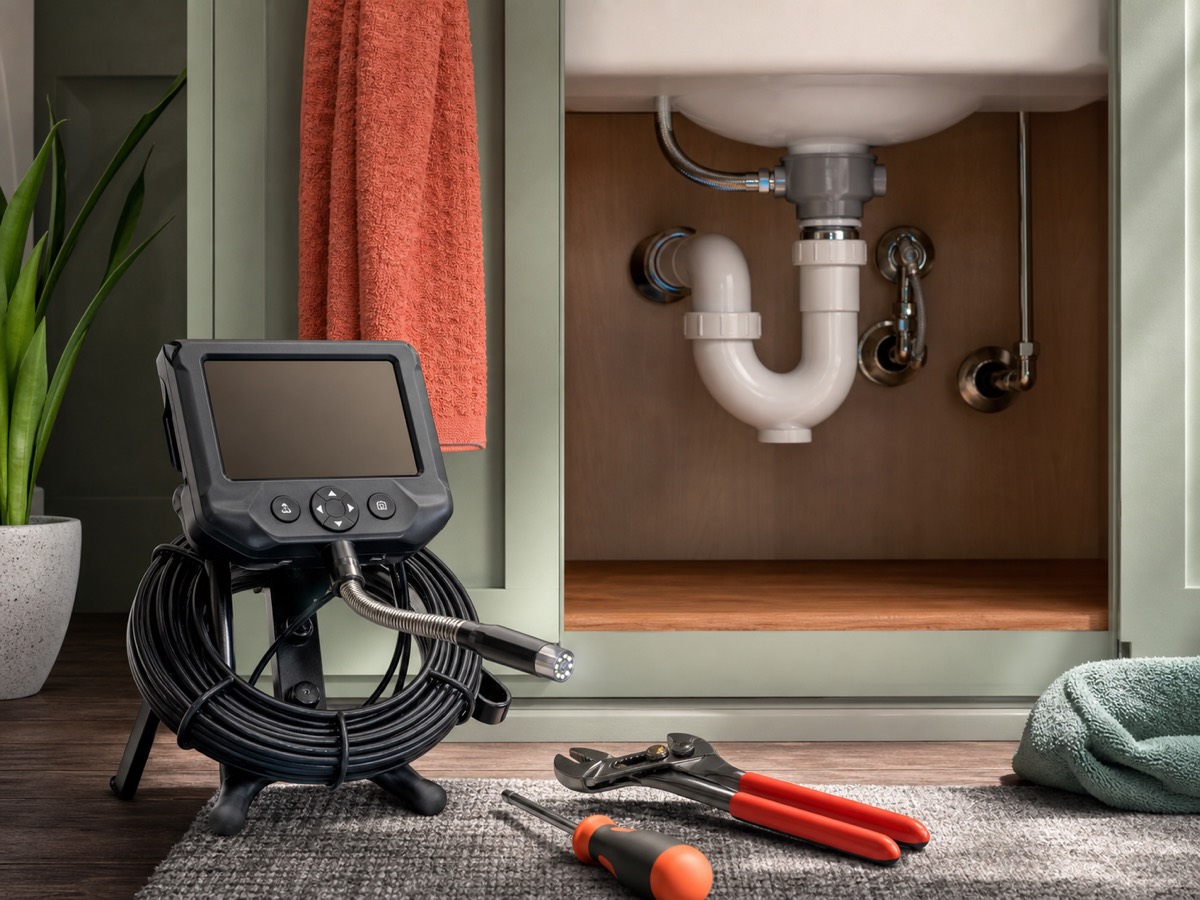
Made for Carolina homes
Matthews homes range from established neighborhoods to newer construction. Crawlspaces, long growing seasons, storm-heavy weather, and clay-rich soil can influence where moisture appears and how underground lines behave.
A homeowner-friendly guide
Plumbing problems often begin with a small change: a drain takes longer, the water temperature shifts, or a quiet fixture starts making noise. Noticing the pattern helps the service conversation start in the right place.
A one-time kitchen clog can be different from several fixtures slowing together. Share which drains are affected, whether they gurgle, and how quickly the problem returns after the water clears.
Water beneath a sink may come from a supply connection, drain fitting, disposal, or fixture seal. A wall stain, soft cabinet floor, or unexplained meter movement may point somewhere less obvious.
Water-heater symptoms include slow recovery, temperature swings, unusual sounds, discolored water, and moisture around the tank. Equipment age and condition help frame the repair-or-replacement discussion.
A toilet that keeps refilling wastes water. Weak flushing, movement at the floor, recurring clogs, or moisture around the base are different clues and should be described separately.
Low pressure at one faucet may involve the fixture itself. A broader change can involve valves, supply piping, a pressure regulator, mineral buildup, or the incoming water service.
Multiple slow drains, lower-level backups, gurgling toilets, or unusual wet areas outside can justify looking farther into the drainage system instead of treating one fixture alone.
Confidence before the work begins
Homeowners should understand what was observed, what may be causing it, and which next step fits the condition of the system. That is especially important when deciding between a focused repair and a larger replacement.
Talk through the problemLocation, timing, sounds, odors, moisture, and recent changes all help narrow the problem.
Cabinets, flooring, walls, and nearby electrical equipment deserve attention when water is moving where it should not.
Age, condition, repair history, and expected service life can all shape the decision.
A comfortable start
Share the room, the symptom, and when it began.
We will discuss availability in Matthews and the next step.
The system is evaluated before the repair direction is discussed.
Good questions welcome
A little context can make the service conversation easier.
Call with your Matthews location and the issue. The team can confirm availability and the right next step.
Recurring clogs may involve buildup, roots, pipe condition, or a problem deeper in the line. Repetition is useful diagnostic information.
It can. Check toilets, irrigation, visible fixtures, and your meter, then call if the increase remains unexplained.
If water is actively escaping and the shutoff is safe to reach, turning it off can limit damage. Avoid electrical hazards and call for help.
Yes. Keep away from hot water and electrical hazards. Tank condition, leak location, age, and performance can help determine whether repair or replacement deserves consideration.
Share the room or fixture, when the symptom began, whether it is constant or intermittent, and whether water is actively escaping. Photos can also help you remember what changed.
Matthews, NC